Table of Content
Out a mortgage loan can negatively affect your credit score temporarily. That’s why you’ll want to wait to make another purchase on credit until your score has risen again, in order to ensure you’re receiving the best terms and interest rate for your new loan. When you’ve taken on a responsibility as big as a mortgage, your future lenders want to make sure you have the ability to stay the course and maintain your financial wellness. Good credit boosts your chances of qualifying for a home loan because it shows the loan lender that you’re capable of repaying your loan on time. Your credit score works on the FICO scoring model and reflects your credit reports — compiled by credit reporting companies. And, your credit report includes a history of your payment habits (record of on-time payments to creditors) in the past.
This shouldn't be a concern, though, as the effect is small and temporary, and on its own shouldn't cause significant damage to your credit score or affect a lender's decision. In addition, credit scoring models recognize rate shopping for a loan as a positive financial move, and typically regard multiple inquiries in a limited time period as just one event. A mortgage will hurt your credit score temporarily — until you show an ability to pay back the loan. If you pay your mortgage payments on time consistently and keep your debt-to-income ratio at a reasonable level, you can bring up your credit score.
How To Raise Your Credit Score By 100 Points In 45 Days
So, when actually applying, you may need a higher credit score or DTI than federal guidelines might indicate. Bankrate is compensated in exchange for featured placement of sponsored products and services, or your clicking on links posted on this website. This compensation may impact how, where and in what order products appear. Bankrate.com does not include all companies or all available products. Do a “soft” inquiry – Check your credit score yourself at AnnualCreditReport.com well in advance of refinancing, Opperman recommends, rather than having a lender run a hard inquiry. “Once you know your score, you can work to improve it,” Opperman says.

If you don’t pay your credit card bills, no one repossesses the things you bought on credit. Income has no effect on one’s credit score, and income is a critical part of the debt-to-income ratio. But any lender thinking of offering you a loan will calculate your ratio and decide if you can afford the loan they are offering.
Does Paying Off A Mortgage Help Your Credit Score
The average age of your credit accounts is another important factor in determining your credit score. Having many older accounts has a positive impact on your credit score, and having several new accounts is a negative contributing factor. If you pay off debt on an older account and subsequently close it, your credit score may drop.
Make sure that the new interest rate is low enough that it doesn't drastically increase your total cost. To refinance, you'll need a car that has held its value; generally, the car must be worth more than what you still owe on it for lenders to consider refinancing. If you have a short credit history, taking out an auto loan can give you a head start. Auto loans usually last for 12 to 60 months, which — if you’re on time with your payments — will add plenty of positive items to your credit report. An unpaid mortgage that goes into foreclosure creates its own set of problems. In a foreclosure, multiple missed payments cause your mortgage to go into default.
It doesn’t help your credit mix.
“If the borrower is shopping for all sorts of debt — mortgage, car loan, credit card — then that pull would become a negative on their FICO score,” Battany says. Bankrate follows a strict editorial policy, so you can trust that our content is honest and accurate. Our award-winning editors and reporters create honest and accurate content to help you make the right financial decisions. The content created by our editorial staff is objective, factual, and not influenced by our advertisers. Bankrate follows a strict editorial policy, so you can trust that we’re putting your interests first. Then once you actually take out the home loan, your score can potentially dip by 15 points and up to as much as 40 points depending on your current credit.

While you may see your score drop, don’t panic—it’s usually temporary. These service provider reports will indicate whether you have consistently paid your utility bills on time. If the company finds you have a good payment history, you will be much likely to obtain service. If you have a history of missing payments or being late to pay, you may be denied service, or have to put down a large deposit in order to obtain service.
How Do Mortgages Affect Your Credit Score
FICO, the creator of the FICO score, actually considers “credit mix” as part of their scoring algorithm, and it accounts for 10% of your overall score. If your busy lifestyle sometimes forces bill-paying lower on your priority list, set up an automatic payment through your bank so you never forget. Because of this temporary lowering of your score, you may find it difficult to get other loans or get a loan with the credit terms you would expect. Plan to wait at least six months before applying for any loan of significant size. Hard credit inquiry, which can temporarily lower your credit score by a few points.
And smaller loans, like auto loans and credit cards, will be easier to obtain because creditors will have documented evidence that you can handle the largest loans out there. A while back, FICO did some research to determine how new mortgages affected consumers’ credit scores. Revolving credit is a line of credit with a fluctuating balance, like a credit card.
Companies that say they can remove a foreclosure from your credit reports are almost always scammers. However, if you have a credit score of 780 before a foreclosure, your score will drop 140 to 160 points. Learn about student loan debt forgiveness, including different types of forgiveness and their qualification requirements.
The owner of this website may be compensated in exchange for featured placement of certain sponsored products and services, or your clicking on links posted on this website. This compensation may impact how and where products appear on this site . SuperMoney strives to provide a wide array of offers for our users, but our offers do not represent all financial services companies or products. The good news is you’ll have 30-days to bring the loan current before it’s reported to the credit bureaus. Opinions expressed here are author's alone, not those of any bank, credit card issuer or other company, and have not been reviewed, approved or otherwise endorsed by any of these entities.
These kinds of projects are expensive enough that financing with a personal loan is more common, so you don’t have to make this purchase on a credit card with 20% interest. In fact, you may be able to get a loan for something like an HVAC system at a rate similar to what you pay on your mortgage. A revolving credit card carries double-digit interest rates, and involves risk to the lender that a secured appliance loan doesn’t have.

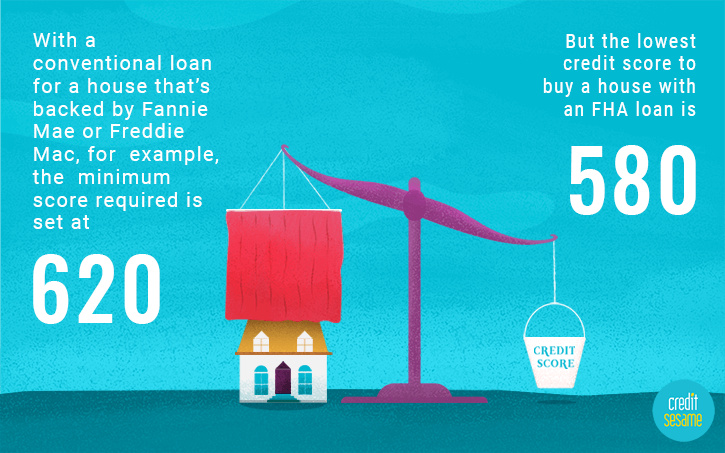
Once you understand the financial requirements of taking out a home loan and are ready to apply, you’ll need to start shopping for the right lender. To get a home loan, you’ll need to meet the lender’s credit score and debt-to-income ratio criteria. But you’ll want to do better than just meet the minimum requirements.
Personal Loan
What you shouldn’t do, though, is take money out of your retirement to pay off your mortgage early, says TJ Freeborn, a mortgage expert with Discover Home Loans in Chicago. Instead of getting a $10,000 credit line, you’re probably looking at a six-figure dollar amount, which suggests that you were creditworthy to begin with to obtain the home loan. With a mortgage, you automatically add stability to your credit profile, which is certainly a good thing. Tim enjoys researching and sharing his knowledge on the topics of banking, retirement and medicare through his writing. In general, the more credit diversity, the better, and a mortgage adds to the mix. All Credit Intelcontent is written by freelance authors and commissioned and paid for by American Express.

Improving your credit score after a mortgage entails consistently paying your payments on time and keeping your debt-to-income ratio at a reasonable level. But mortgage payments are typically reported without any special effort on your part and are routinely factored into credit scores. The drop in credit score after a foreclosure varies from borrower to borrower. But generally, you can expect to lose 100 points or more from your credit scores if you have a foreclosure on your credit report. If you already have low credit scores, you'll most likely see less impact than if you had high credit scores before the foreclosure action.


No comments:
Post a Comment